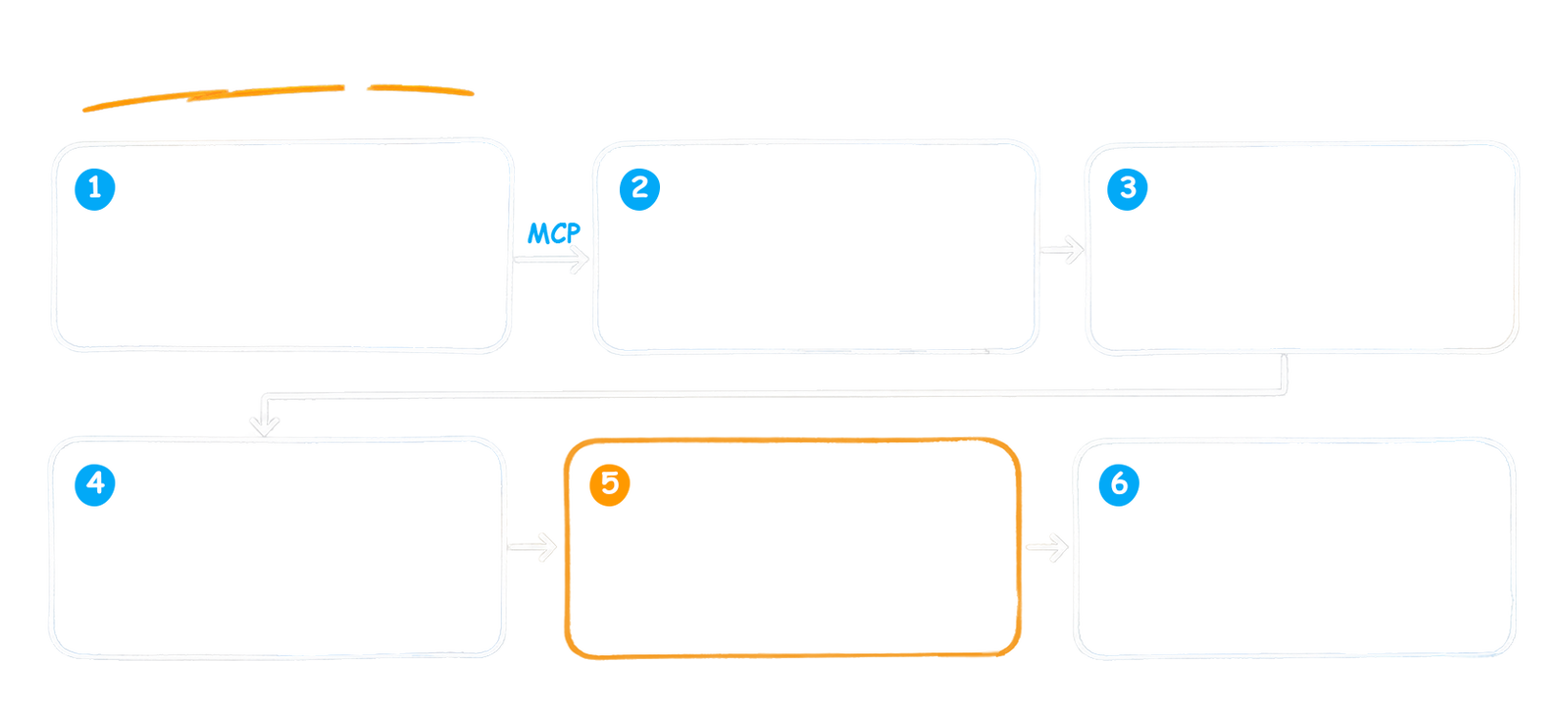
Agents draft the spec
Spec agents draft structured specs from roadmap intent.

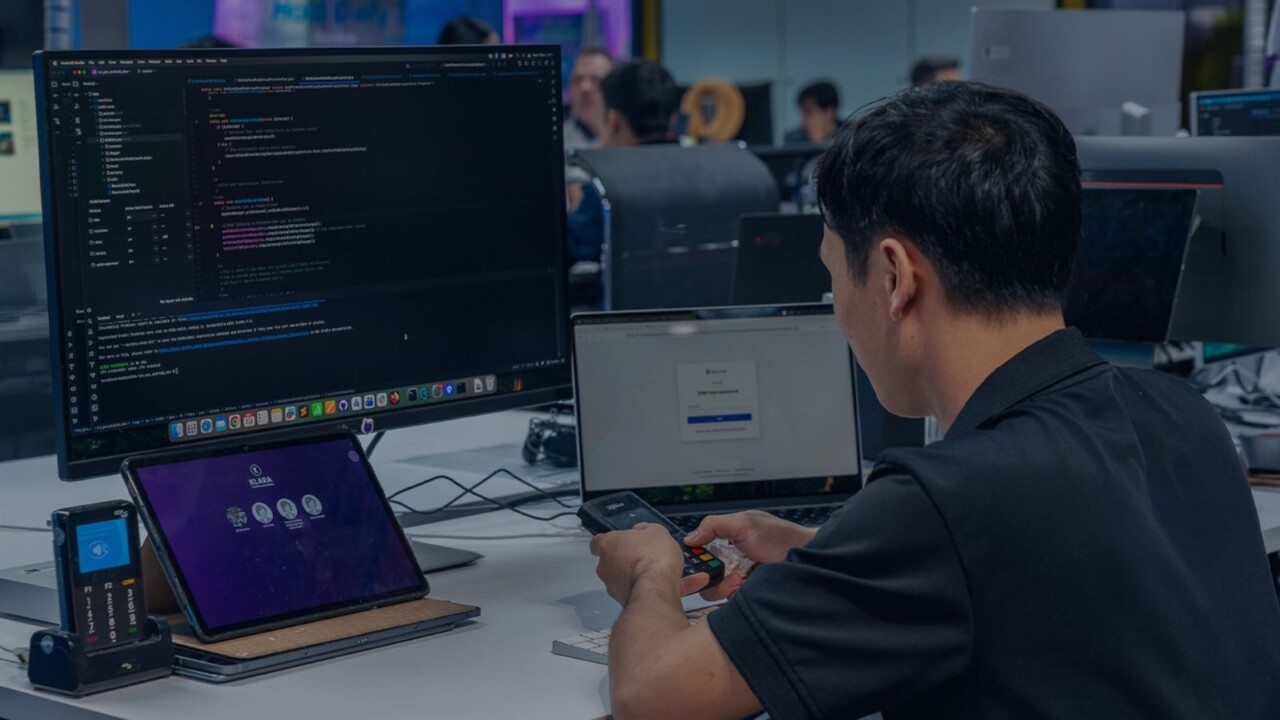
Build. Accelerate. Modernize. Transform — with AI built into how software is engineered, not simply added to existing workflows.
AI is changing more than how code gets written. It is reshaping how software is designed, built, tested, modernized, and improved over time. AI-first software engineering redesigns the engineering workflow around AI, agents, and the context they need to work effectively across the software lifecycle. Experienced engineers guide the work, define the boundaries, and remain accountable for what reaches production. Axon Active helps organizations move from adding AI to existing workflows to redesigning how software is engineered.
AI-first software engineering means designing the engineering workflow around AI from the start — across Define, Design, Build, Test, Deploy, and Operate — rather than adding AI tools to an existing way of working.
Many teams start by adding AI tools to their existing workflows. Developers may work faster, but the underlying delivery system stays largely the same — the same tickets, handoffs, review process, and definition of done. AI-first starts from a different premise: if AI can take on meaningful parts of the work, the workflow itself should change.
AI-first software delivery (AIFSD) changes how work is specified, delegated, executed, reviewed, and improved when AI and agents can take on meaningful parts of the lifecycle. The goal is not simply to use AI more, but to redesign the workflow around what AI can reliably do — while keeping people accountable for decisions and outcomes.
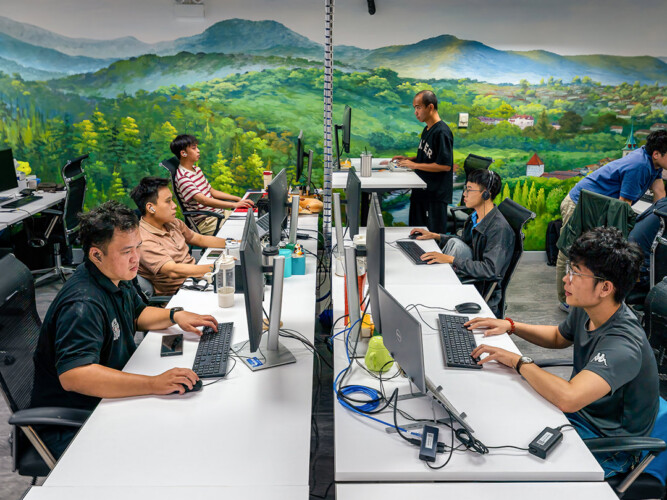
This is an engineering and organizational decision, not a tooling decision. Our AI-first software engineering practice combines experienced engineers, AI tools and agents, and redesigned delivery workflows with governance built in from the start.
These terms often get used interchangeably, but they are not the same. Knowing the difference helps you see where your organization stands today — and what needs to change next.
Most organizations start with AI-augmented development and move toward AI-first as they redesign more of the engineering workflow. AI-native is a different starting point, typically built around AI as a foundational part of the system. The important question is not how much AI you use, but how deeply AI changes the way engineering work is defined, executed, and coordinated. If your goal is to accelerate an existing team with AI, see our AI-Augmented Software Development practice.
Spec-driven development means defining work precisely before handing it to an engineer or an AI agent. Product and roadmap intent is turned into structured specifications — inputs, constraints, acceptance criteria, and edge cases — so people and agents share the same understanding of what needs to be built and what “done” looks like.
AI agents are good at producing output from instructions. The harder question is whether they are solving the right problem. When work is vague, an agent can produce a technically plausible result that still misses the intended outcome — and the gap may only surface later in review or testing.

A Product Owner signs off before implementation.
The spec is the contract — Agents execute; reviewers check output against the spec.
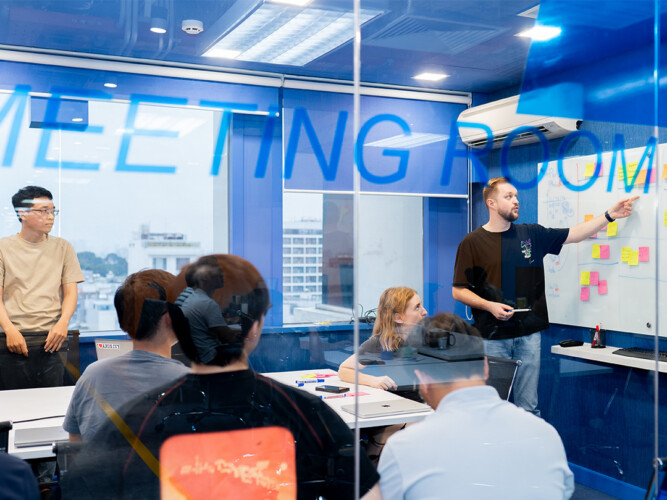
Context engineering is the practice of giving models and agents the information they need to make sound decisions: relevant code, architecture, documentation, domain knowledge, business rules, and product intent. The goal is not more context, but the right context for the task.
A model can read the code in front of it, but that does not mean it understands why the code works that way. It may not know which business rule protects a customer, which regulation a validation satisfies, or why a defensive check was added after a production incident. Without the right context, the model fills in the gaps — often with more confidence than accuracy.
Context engineering turns knowledge that normally lives in people’s heads, old tickets, architecture decisions, and scattered documentation into information an agent can actually use. It treats context as an engineering asset rather than ad hoc documentation. When context is missing or outdated, the cost shows up later as more review, more corrections, and more time spent explaining the same things to AI tools.
At Axon Active, we treat context as a versioned engineering asset alongside the codebase — scoped to each engagement, updated as the architecture and product evolve, and maintained with clear ownership. That gives agents a more consistent foundation for working across the software lifecycle.
Agentic software development is where AI moves beyond assisting with individual coding tasks and starts handling larger, defined parts of the engineering workflow: understanding a task, planning the work, implementing changes, running tests, and preparing the result for review.
A refactor spanning twelve files. A test suite generated from a specification. An incident investigated across three services. These are the kinds of tasks where agents can take on meaningful parts of the work instead of only assisting a developer with individual steps.
The goal of agentic software development is not to remove engineers from the process. It’s to give experienced engineers more leverage over complex work — while the boundaries and decisions that matter stay under human control.
An agentic coding workflow needs clear boundaries before the agent starts. At a minimum, the team needs to define what the agent can change, what evidence it must produce, and who is responsible for reviewing the result.
Those boundaries are set at the task level — not by how much an engineer happens to trust the agent. Trust is not a permission model.
Between an AI coding agent and the codebase is a harness: the runtime layer that controls the agent’s tools, permissions, context, and available actions.
The model is only part of the system. The harness determines what the agent can access, what it can change, and what it must do before its work can move forward.
Two teams can use the same model and still have very different risk profiles depending on how their harness is configured.
At Axon Active, we use commercial tools such as Claude Code, GitHub Copilot, and Cursor alongside our own agent runtimes for Spec, Test, and Monitoring. Across these environments, our workflows apply the same core controls:
This is where governance becomes part of the engineering workflow, not something checked after the fact.
AI agent orchestration connects specialized agents across different parts of the delivery process. A Spec agent can prepare the work, an implementation agent can build it, a Test agent can validate it, and a Monitoring agent can watch the result after release.
These multi-agent workflows can move more work through the engineering process, but they also introduce another problem: handoffs. Each time work moves from one agent to another, context can be lost, assumptions can change, and errors can propagate from one stage to the next.
That is why orchestration is not simply about connecting more agents. The workflow needs clear inputs and outputs between each stage, defined handoffs, and human review wherever decisions or risk require it.
People argue about which model is best. In practice the model is rarely what limits an agent. The harness is. We've had the same model behave completely differently on two engagements because one had scoped writes and the other didn't.
An AI-native SDLC is not a traditional software lifecycle with AI added at the coding stage. It is a lifecycle designed around what AI and agents can contribute across the engineering process, how work moves between phases, and where human judgment remains essential.
In a redesigned lifecycle, the output of Define is more than a requirements document. Product intent becomes structured specifications and usable engineering context — the artifacts that agents and engineers use throughout the lifecycle.
That context carries into Design, Build, and Test instead of being lost between phases. Intent, priorities, and the definition of success stay with people.

AI helps engineers understand an existing architecture, trace its dependencies, compare implementation approaches, and test alternatives against known constraints.
Instead of starting from a blank page, teams use AI to investigate the system they already have — and weigh more options before committing to a design. Architectural decisions remain human decisions, informed by product context, technical constraints, and long-term consequences.

AI is no longer limited to suggesting lines of code. Well-defined work can be delegated to agents, which build against the specification and prepare the result for validation.
The bigger change is in the engineer’s role, not just the code. Time shifts from routine implementation toward defining the work, reviewing the result, and making the decisions that require experience and context.

Testing stops being a final checkpoint. Because specifications exist before the code, evidence builds throughout development — tests derived from the spec, coverage gaps analyzed, failures investigated inside the same workflow that produced the change.
Teams catch problems earlier and iterate faster. What counts as correct, and whether the evidence is enough, stays a human call.

Deployment becomes less of a single handoff and more of a continuous validation process: releases are checked against expected behavior before and during rollout, with autonomy matched to the risk of each change.
Engineers keep control of the decisions that carry real production risk.

The lifecycle doesn’t stop when software reaches production. Agents continuously analyze system behavior, detect anomalies, and investigate incidents — surfacing patterns that would take engineers far longer to uncover.
The more important shift is what happens next. Operational knowledge feeds the next cycle of Define, Design, Build, and Test. Production is no longer the end of the lifecycle — it becomes another source of context for improving the product.

This is our reference way of working — pioneered by our delivery teams in live client work and rolling out across the organization: the workflow is built around a versioned team knowledge base — every phase from requirement to delivery reads from it and writes back to it: specs, tasks, decisions, patterns, rules, memory. Agent sessions start stateless and load the relevant context at initialization; anything unclear becomes an open question back to the requester instead of an AI assumption; plans carry a human signature before implementation. Teams validate the approach against their previous workflow before it becomes their standard.
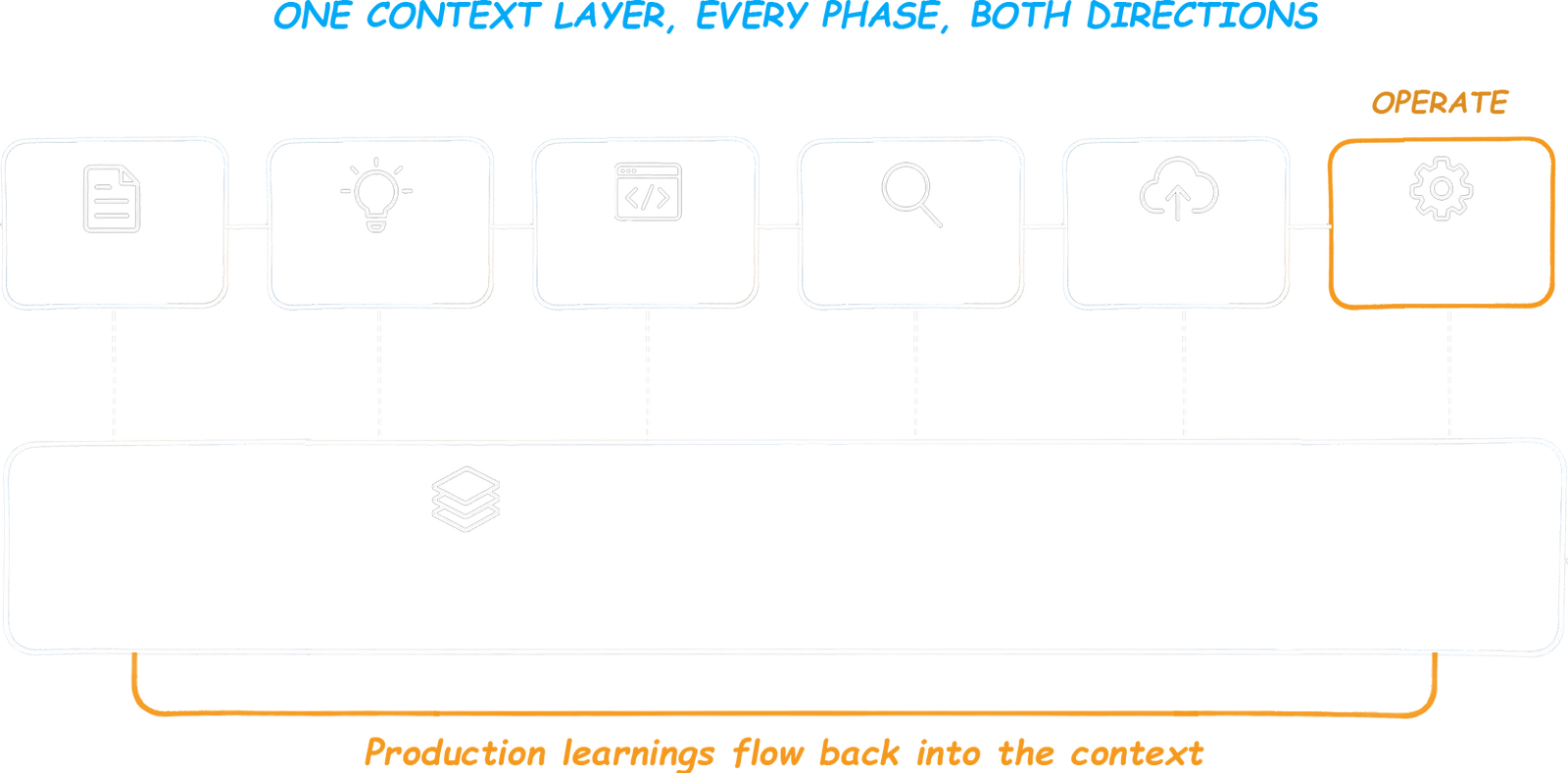
The advantage is not AI in any single phase. It is the connection between phases — context flows forward, and production knowledge feeds back into the next cycle.
To see how this runs inside a live delivery engagement — autonomy levels, human review, governance — read about AI in the software development lifecycle in our AI-augmented software development practice.
AI-first engineering changes how work is delegated, executed, and reviewed. That makes governance part of the engineering design itself, rather than a policy layer added after AI enters the workflow.
More autonomy without clear governance is not more speed — it is more change without clear accountability. As organizations give AI more responsibility, they need clear boundaries around that responsibility. Three questions need clear answers before autonomy increases:
Autonomy cannot be left to individual preference. Teams need clear boundaries for which decisions AI can make, which require human review, and which always remain with a named engineer.
Work produced with AI needs to stay understandable after the fact. Teams should be able to trace how a change was produced, what tools and instructions were involved, and who was responsible for reviewing it.
No AI system gets it right every time. The question isn’t whether that happens — it’s whether the workflow can catch it, contain the impact, and escalate to someone who can make the right call.
Answering these questions is what makes it possible to increase AI participation without losing control of the software lifecycle. How these principles are enforced in live delivery — provenance, retention, task-level autonomy, and technical controls — is covered in our AI-augmented software development practice.
AI-first engineering is not a tooling upgrade. It changes how engineering organizations define work, allocate responsibility, structure teams, and measure performance when AI becomes part of the engineering system.
The valuable skill is no longer just writing code quickly. Engineers need to specify work precisely enough to delegate, provide the right context, evaluate AI output critically, and recognize confident but incorrect results.
As AI takes on more implementation work, engineering judgment becomes more important, not less.
AI changes how teams divide work and where engineering capacity goes. Teams may need less capacity for routine implementation and more for specification, architecture, review, and product decisions.
The result is not simply smaller teams, but a different allocation of engineering effort based on what AI can reliably take on.
AI usage becomes an engineering cost in its own right. Teams need visibility into token consumption, model usage, and AI infrastructure — and a way to evaluate that spend against delivery value.

Khanh Tran
To use AI effectively, we need strong foundational knowledge, clear systems thinking, and critical reasoning. A healthy level of skepticism and careful verification of AI outputs, grounded in real experience and core principles, are essential for responsible adoption.
Organizations do not move from AI tools to agentic engineering in one step. Maturity builds as AI moves from helping individual engineers, to becoming part of the team workflow, to coordinating multi-step work, and eventually executing defined processes with limited intervention. Each stage brings different practices, autonomy boundaries, and governance requirements.
Engineers use AI tools inside their existing workflows. AI supports tasks like coding, documentation, debugging, and test generation, while engineers stay responsible for planning, execution, and review.
Most organizations that describe themselves as “using AI” are here.

AI shifts from individual tooling to team practice. Teams standardize how it’s used, build shared context and reusable prompts, and set common quality controls.
AI is now built into the way the team works, but engineers still coordinate the work themselves. Nothing is agentic yet.

Agents begin planning and executing multi-step tasks across tools and workflows. Humans supervise the critical decisions, within explicitly defined autonomy boundaries and review points.
This is where many teams think they’ve become agentic — but moving from task-level help to coordinated agent workflows takes a much more deliberate operating model.

Agents run defined workflows with limited human intervention. They operate within boundaries set in advance, and escalate exceptions or higher-risk decisions to engineers.
Humans keep responsibility for governance, oversight, and the control points that decide when an agent can proceed — and when a person must take over.

The goal is not maximum autonomy but the right level of autonomy for each workflow — and the evidence to justify raising it.
AI-first engineering is not a single destination, and different organizations need different starting points. Some are building entirely new AI products. Others want to accelerate existing teams, modernize the systems their business runs on, or transform how their engineering organization works. We help you apply AI where it creates the most value today — while building the capabilities you’ll need for what comes next.
Turn AI capabilities into products that are ready for production — from intelligent applications to AI-powered experiences.
From LLM applications and RAG to AI agents and copilots, we combine product engineering with evaluation, observability, and guardrails to build AI that works reliably in production.
Make your existing engineering capacity more productive with AI-augmented development workflows.
Our engineers use AI-assisted coding, testing, analysis, and automation to accelerate delivery across the development lifecycle — and stay accountable for architecture, quality, security, and production outcomes. You get faster delivery without giving up the engineering discipline your products depend on.
Modernize the systems your business still depends on.
AI is changing the economics of legacy modernization. AI-assisted code analysis, documentation, test generation, and migration workflows help teams understand complex legacy systems faster and cut the effort needed to modernize them. Experienced engineers stay in control of architecture decisions and validate that critical business behavior is preserved throughout the migration.
Equip your teams to adopt AI-first engineering practices through hands-on training, coaching, skills assessment, and practical enablement. Build the skills, working practices, and confidence needed to move from AI experimentation to repeatable engineering adoption.
AI can multiply engineering expertise. It does not replace the experience needed to make good decisions about architecture, product context, security, or production risk.
Axon Active combines experienced software engineers with AI tools, agents, and production delivery practices — helping organizations redesign how software is engineered while keeping people accountable for what reaches production.
Anyone can buy AI tools. The gains come from changing how engineering work is defined, delegated, reviewed, tested, and measured.
We help organizations redesign the engineering workflow around AI — the heart of AI engineering transformation — not simply add another tool to the IDE. The practices we bring come from production delivery, not from a consulting firm that stopped shipping. They run across 80+ production teams today. We’ve tested and measured them — and dropped the ones that didn’t work.
Your code, prompts, evaluation sets, and retrieval indexes remain yours under standard IP assignment.
AI runs within your chosen licensing and security model, with data handling and model governance aligned to your compliance requirements. You keep control of the software, the knowledge behind it, and the assets created through the engagement.
AI becomes more valuable as the context around it improves. Our engineers stay with us for years — typically 3 to 15 — and build deep knowledge of your product, domain, and architecture. That context compounds over time, giving AI better foundations to work from and cutting the knowledge loss that comes with constantly changing teams.

Markus Baur
Acquiring strong domain knowledge takes far more time and dedication than learning a new tool or framework. The era of the job-hopper generalist is coming to an end. Sustainable impact will come from combining AI fluency with real, hard-earned industry insight.


Axon Active has been delivering long-term sports video platform development to WSC Sports through a dedicated software development team. The team operates…
Read full story →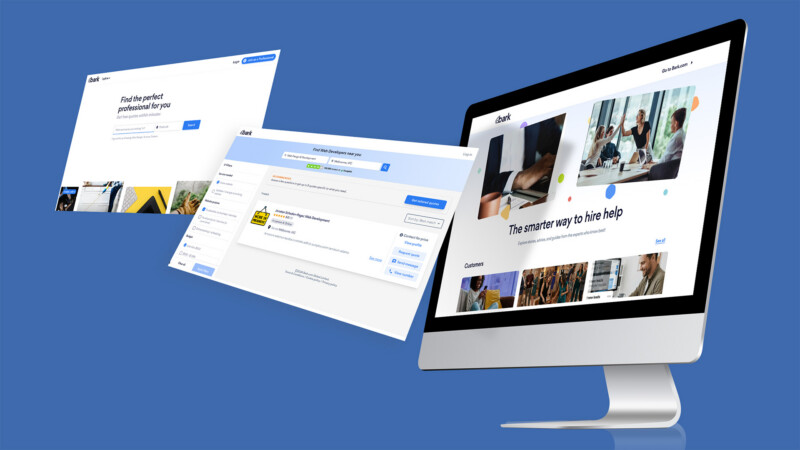
Bark connects users with local professionals through its online marketplace platform. To support growth across Europe, Bark partnered with Axon Active to…
Read full story →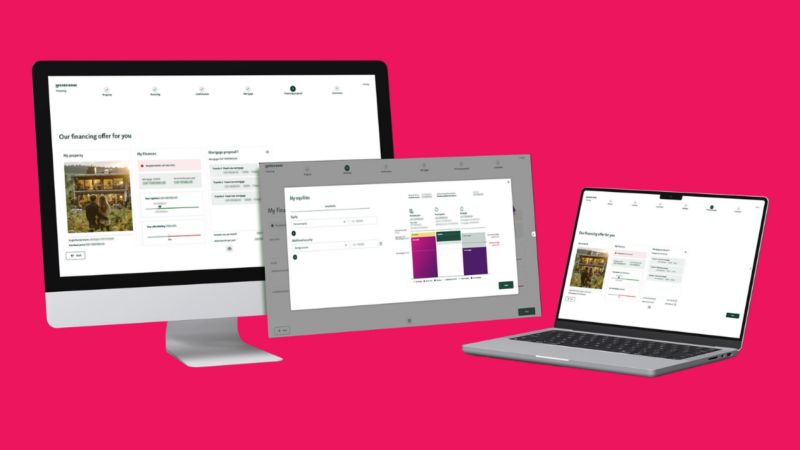
Axon Active supports Migros Bank’s digital banking platform through a dedicated offshore engineering team in Vietnam. The team develops the Mortgage Application…
Read full story →Axon Active has become an integral extension of our team, helping us maximize the value of our platform through ongoing innovation and reliable support. Their technical expertise, flexibility, and commitment to excellence have enabled us to move faster, operate more efficiently, and confidently achieve our business objectives.
What we've learned making AI part of the core engineering process — from planning and architecture to code and delivery — grounded in real teams, real sprints, and real results.
Axon Active defines AI-first software engineering as designing engineering workflows around AI and agents from day one — across Define, Design, Build, Test, Deploy, and Operate — rather than adding AI tools to workflows designed without them.
It’s an organizational decision, not a procurement one.
AI-augmented software development adds AI to existing engineering workflows to improve productivity and quality, with engineers using AI tools inside the process they already run.
AI-first software engineering redesigns those workflows around AI, automation, and agents, with governance and human oversight built in from the start.
Most organizations start augmented and make the shift to AI-first deliberately. Learn about our AI-augmented software development practice.
AI-first redesigns existing engineering workflows around AI and agents. AI-native software development builds AI in as a foundational capability from the very beginning — typically only viable for greenfield builds or platform rebuilds. AI-first is the realistic path for organizations that already have software in production.
Spec-driven development turns product and roadmap intent into structured specifications with explicit acceptance criteria, written so both engineers and AI agents can work from them.
The specification becomes the contract: the agent executes against it, the reviewer checks against it, and nobody argues about what “done” meant.
A Spec agent drafts a structured specification from roadmap intent, including scope boundaries and acceptance criteria.
A human Product Owner validates it before implementation starts.
Only then is the work delegated. Skipping validation is the most common cause of confidently wrong agent output.
Context engineering is the deliberate practice of supplying models and agents with the code, architecture, documentation, domain knowledge, and product context they need to make correct decisions rather than plausible guesses.
At Axon Active, it’s maintained as a versioned engineering asset alongside the codebase, owned by a named engineer.
Four, enforced in the harness, not by policy: human review on every merge, versioned prompts from a shared library, scoped writes limited to what the task defines, and pre-task briefs with agreed acceptance criteria.
Without a governed harness, autonomy levels are aspirational rather than enforceable.
That depends on your setup — the integration layer is MCP, so the Spec agent connects to the tracker your organization already runs: Jira Cloud, Linear, OpenProject (self-hosted), Azure DevOps, or another tool. It reads epics and tickets, returns draft specifications, flagged ambiguities, and a prioritized backlog proposal into the Product Owner’s normal workflow. Write access is scoped; the PO validates before any delegation.
It can propose one: prioritized, effort-annotated, risk-annotated. The Product Owner decides. In our workflow the proposal-decision boundary is technical, not aspirational — agents lack write permission to commit a backlog.
Yes. For regulated and IP-sensitive organizations we rent out private, locally hosted models: open-weight models operated in your infrastructure, a European data center, or our ISO/IEC 27001-certified environment — governed by the same harness, with full audit logs and no training on your data.