Data Engineering & Analytics Services
TRUSTED DATA

Data Engineering
& Analytics

Turn fragmented business data into reliable pipelines, platforms, and insights.

17+
Years in business
100%
Swiss owned
40+
Long-term clients
650+
Employees
80+
Dedicated teams

Build cloud data platforms, pipelines, real-time processing, and analytics on AWS, Azure, Databricks, Snowflake, and BigQuery. Axon Active’s data engineering services and data analytics solutions are delivered as one continuous capability, by the same engineering organization that has shipped production software for 40+ companies since 2009. Reliable pipelines, cloud warehouses, and governed analytics, with every number traceable to its source.

Capabilities

Data engineering & analytics services we deliver

Six capability areas across the modern data stack — from pipeline engineering and cloud warehouses to analytics, governance, and modernization. Our data engineering services are delivered by a permanent team, so the engineers who build your platform are the ones who keep it running.

Pipeline engineering: ETL, data integration, streaming

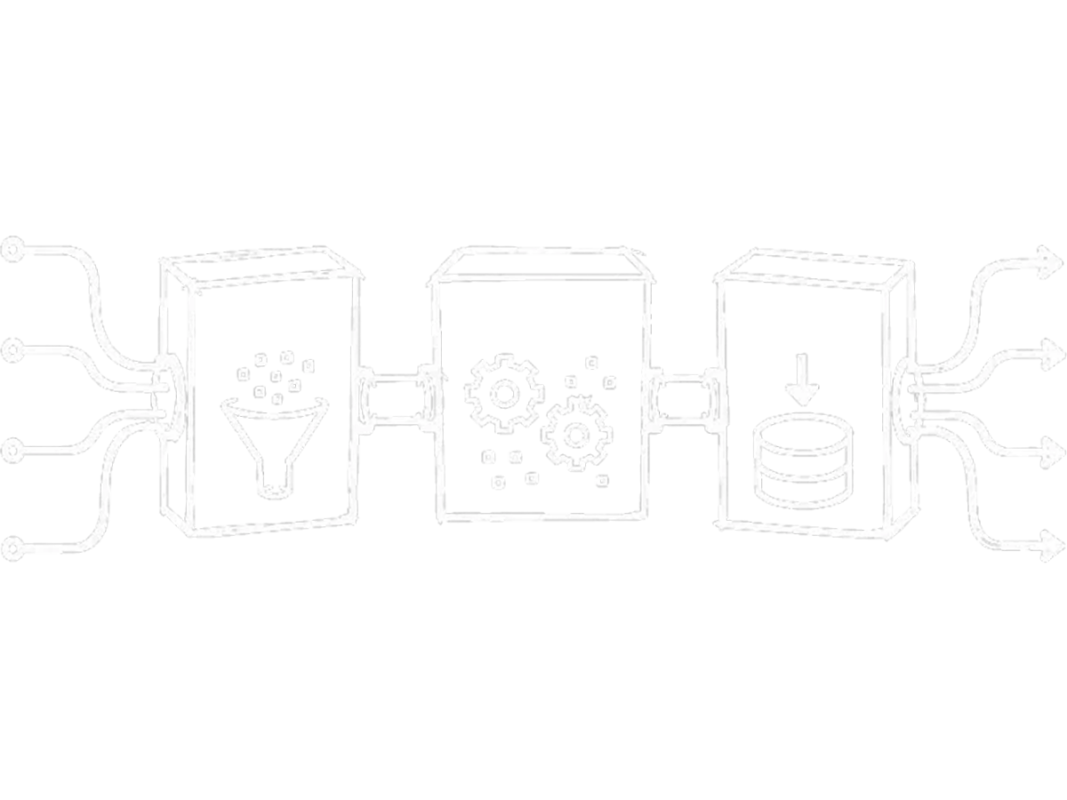
Build scalable batch and real-time pipelines connecting CRMs, ERPs, databases, APIs, and third-party platforms to cloud warehouses. Our data integration services unify fragmented sources; ETL development services handle extraction, transformation, and loading at production scale; and data pipeline development covers CDC, streaming, orchestration, and monitoring.

Pipeline engineering: ETL, data integration, streaming

Cloud data warehousing & Lakehouse architecture

Design and operate cloud data warehouses and lakehouse architectures that scale with data volume and concurrency. Production patterns include medallion lakehouse on Databricks + Delta Lake, Snowflake warehouse sizing for cost and performance, and BigQuery slot reservations with materialized views. Schema design covers multi-tenancy, data residency, and regulated workloads — governed via Unity Catalog or equivalent.

Python, SQL, PySpark, Kafka, Airflow, dbt, SQLMesh, Databricks, Snowflake, BigQuery, AWS, Azure, Docker, Terraform, Git, CI/CD.

Cloud data warehousing & Lakehouse architecture

Orchestration & Transformation

Reliable, scalable data workflows across AWS, Azure, Databricks, Snowflake, and BigQuery — orchestration, transformation pipelines, scheduling, CI/CD, monitoring, and lineage tracking for production data environments.

Airflow, Dagster, Prefect, dbt, SQLMesh.

Orchestration & Transformation

BI & Analytics Layer

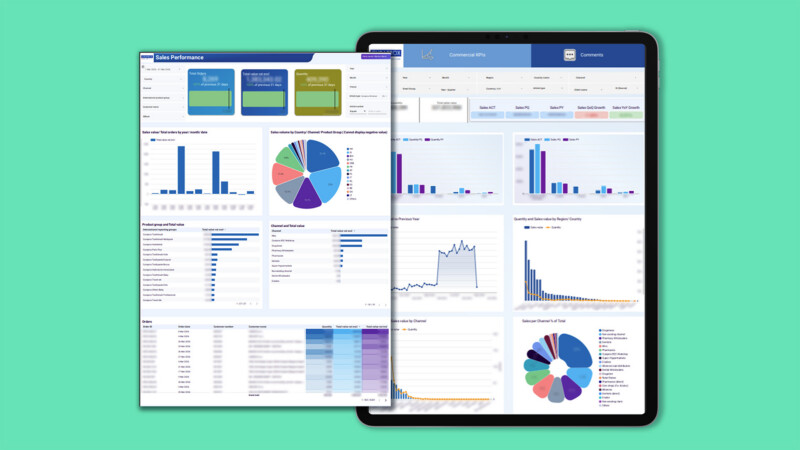
Modern data analytics solutions: semantic layer design, KPI dashboard development, and self-service analytics that enable faster, more reliable business decisions.

Looker, Tableau, Power BI, Metabase, Cube, LookML, dbt Metrics.

BI & Analytics Layer

Data Governance: Quality, Lineage, Observability

Trusted, reliable data through modern governance, testing, and monitoring. Our data management services include data quality validation, lineage tracking, observability, audit trails, and compliant data handling for enterprise and regulated environments.
Great Expectations, dbt tests, OpenLineage, Marquez, Monte Carlo, Datadog.

Data Governance: Quality, Lineage, Observability

Data Migration & Modernization

Our data migration services move on-prem warehouses to cloud lakehouses, refactor brittle ETL, and consolidate fragmented platforms with minimal disruption. Parallel-run validation means cutover doesn’t break reporting. From SAP or Oracle to Snowflake or Databricks, migrations are scoped around your audit calendar, not ours.

AWS, Azure, GCP, Databricks, Snowflake, BigQuery, Redshift, dbt, Airflow.

Data Migration & Modernization
The disciplines

Data engineering & analytics — from infrastructure to insight

Two complementary disciplines that turn raw data into business advantage: engineering builds the trusted pipelines underneath; analytics turns the data on top into clear decisions. Together they run as end-to-end data management services — one team owning the path from source system to boardroom dashboard.

Data Engineering

Building and running the infrastructure behind reliable business data.

  • Connects data from different systems, cleans and standardizes it, moves it into a trusted warehouse (Snowflake, BigQuery, Databricks), and makes it available for reporting, analytics, automation, and decision-making.
  • Unlike BI consulting, our data engineering services don’t stop at dashboards — they solve the pipelines, quality checks, lineage, monitoring, and audit trails underneath. Audit-ready by design: production-grade pipelines that stay reliable through audits, reporting cycles, and team turnover.
  • Data is moving from internal reporting to core product capability. Trusted infrastructure — lineage, governance, audit trails — is what makes that shift possible; engineering discipline is what makes it last.

Data Analytics

Turning trusted data into business insight

  • Helps teams understand what is happening, why, and what to do next — dashboards, KPIs, trends, and clear recommendations for leadership and business teams.
  • Unlike data engineering, analytics focuses on the business questions on top: revenue, customer behavior, operations, marketing performance, risk, and growth opportunities.
  • Good analytics is not just charts: our data analytics solutions are built on clear metric definitions, reliable sources, and dashboards decision-makers actually use. That’s the difference between another report and a number that changes a decision.
  • Defensible by design: consistent, explainable, traceable numbers teams can trust through reporting cycles, audits, and management reviews.

Engineering is only half the story. Our data analytics solutions sit on top of governed pipelines, so finance, marketing, risk, and operations all read from the same numbers. And because the analytics layer is wired to lineage-tracked sources, every figure traces back to its origin — for buyers comparing vendors, that auditable link from dashboard to source system is the real differentiator.

How we operate

Our data engineering & analytics standards

Three standards that make data useful for the business — trusted enough to decide on, traceable to its source system, consistent across teams, fresh enough to act on.

  1. Trusted — tested at every transformation

    Schema contracts enforced at source → staging → marts; Great Expectations and dbt tests on every run; freshness, volume, and distribution monitored continuously with Monte Carlo or equivalent. When quality breaks, downstream consumers are blocked before bad numbers reach a dashboard.

  2. Traceable — from dashboard back to source

    OpenLineage and dbt docs capture every transformation — no orphan SQL, no shadow pipelines — so auditors answer “where does this number come from?” in minutes, not weeks. PII tagged at ingestion, GDPR deletion workflows built in, audit logging on every read and write of regulated data: compliance is a property of the pipeline, not a separate audit step.

  3. Consistent & fresh — one definition, production-grade serving

    Metrics live in a governed semantic layer (dbt metrics, Cube, LookML) — finance, marketing, and ops all pull from the same definition, ending “which number is right?” disputes. Dashboards run with freshness SLAs and performance budgets, monitored like production services — no one acts on silently-stale numbers.

AI in the pipeline

How AI accelerates trusted data pipelines

Production data pipelines need more than speed — they need to be reliable, traceable, and ready to withstand scrutiny. Our AI-augmented delivery helps data engineers work faster with AI-assisted SQL review, schema validation, anomaly detection, and automated checks — while defined autonomy levels (L1 Assisted – L4 Autonomous) keep human oversight aligned with the risk of each task.

The relationship works both ways. We use AI to make data pipelines safer and more efficient, while building the clean, versioned, governed data foundations that AI products depend on. For teams building AI capabilities, our data engineering services provide the foundation for model training, feature stores, RAG pipelines, and production AI systems.

Build AI on this data foundation — AI Product Development

Metric definition + semantic layer

AI helps draft metric definitions, identify duplicate KPIs, and propose semantic layer (dbt metrics, Cube, LookML) structures.

Analytics lead + business owner confirm metric semantics before semantic-layer merge

Pipeline test generation

Great Expectations and dbt test cases generated from data contracts; engineer reviews coverage against critical paths.

Data engineer validates coverage; SLA owner signs off before release.

SQL / dbt review assistance

AI reviews SQL transformations for performance, correctness, and style before merge. Common antipatterns flagged.

Senior engineer + dbt CODEOWNER approve before merge — AI flags don’t auto-merge.

Schema drift detection

AI watches source schemas for breaking changes; engineers are notified before downstream pipelines break.

Engineer triages drift; downstream consumers notified and sign off on the remediation plan.

Data quality anomaly detection

AI monitors freshness, row counts, and distribution shifts beyond threshold alerts. Patterns that precede data quality incidents surface early.

On-call engineer triages anomaly alerts; thresholds tuned monthly with the analytics lead.

Dashboard freshness + lineage

Dashboard freshness SLAs monitored; AI alerts on stale or broken visualizations before they reach a review meeting.

Analytics owner confirms severity before stakeholder escalation; broken visualizations reopened as tickets.

AI-AUGMENTED DELIVERY

Data engineering fundamentals, enhanced by AI

Our AI-augmented delivery practice enhances how we build and run data platforms — AI-assisted pipeline development, SQL and dbt review, and data-quality anomaly detection layered on top of the engineering standards above. The fundamentals don’t change; AI makes them faster, with engineers accountable for every change that ships.

See our approach
Use cases

Data use cases we engineer

Most data work falls into a handful of recurring patterns. These are the ones where our pipelines, warehouses, and orchestration stacks pay back fastest.

ML feature stores & AI-ready data

ML feature stores & AI-ready data

Clean, versioned, reproducible features for ML and LLM workloads. Removes the “data scientists spend 80% of time on data prep” bottleneck.

Feast / Tecton + Snowflake + dbt + vector DB (Pinecone, pgvector).

Customer analytics & 360

Customer analytics & 360

Unify customer events across CRM, product, billing, support into a single source of truth. Powers segmentation, churn modeling, lifetime value, attribution.

Snowflake / BigQuery + dbt + Fivetran / Airbyte + Segment.

Dedicated development services we deliver

Regulatory & compliance reporting

Automate quarterly and ad-hoc reporting for Basel III, IFRS 9/17, Solvency II, GDPR data subject requests. Audit trails, lineage, reproducibility built in.

dbt + Great Expectations + Airflow + Snowflake / Databricks.

Dedicated development services we deliver

Real-time fraud & risk detection

Streaming pipelines that score transactions or behavior in seconds, not overnight batches. Feature engineering, model serving, alert routing.

Kafka + Flink / Spark Streaming + feature store + ML model API.

IoT & telemetry pipelines

IoT & telemetry pipelines

Ingest sensor, device, or product telemetry at scale. Time-series storage, anomaly detection, dashboards for ops teams.

Kafka + TimescaleDB / InfluxDB + Spark + Grafana.

Data Engineering & Analytics Services — Icon

Enterprise & big data engineering services

At enterprise scale, volume and concurrency change the architecture: high-throughput streaming, petabyte-scale warehouses, multi-region governance. This is also where enterprise data engineering consulting matters most — sequencing a platform rebuild without freezing the business.

Where we deliver

Where deep data work gets built

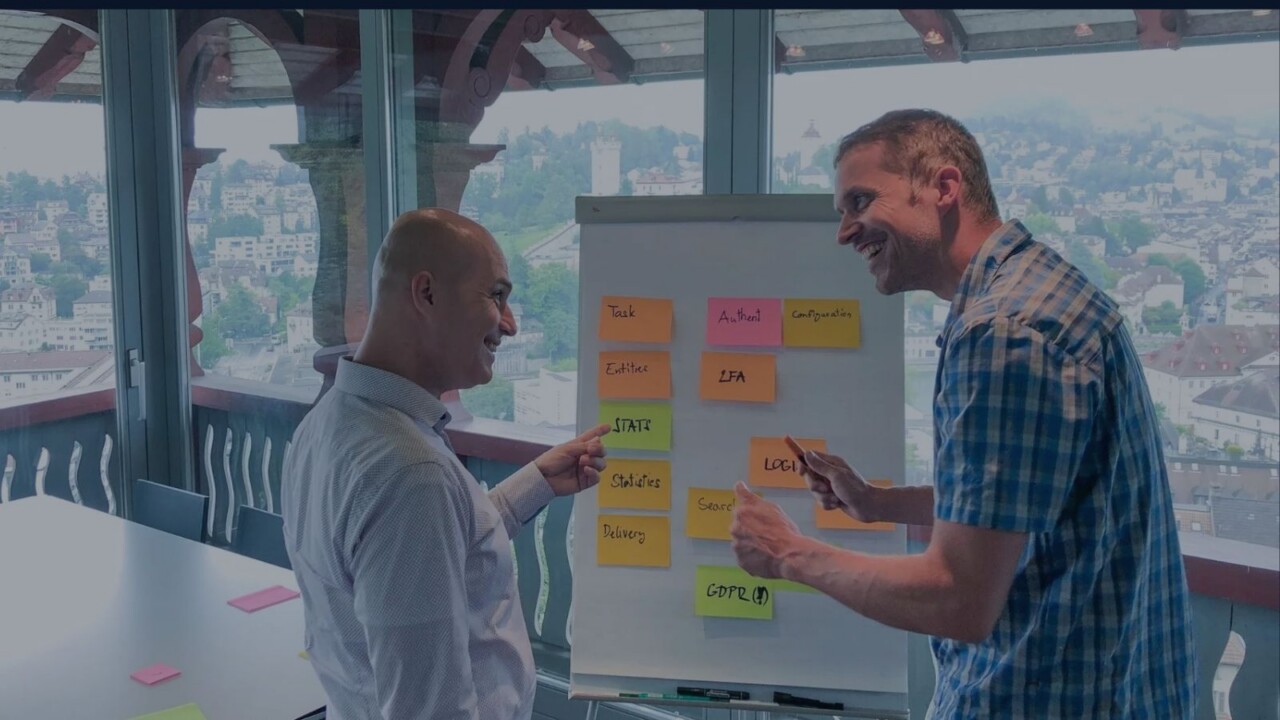
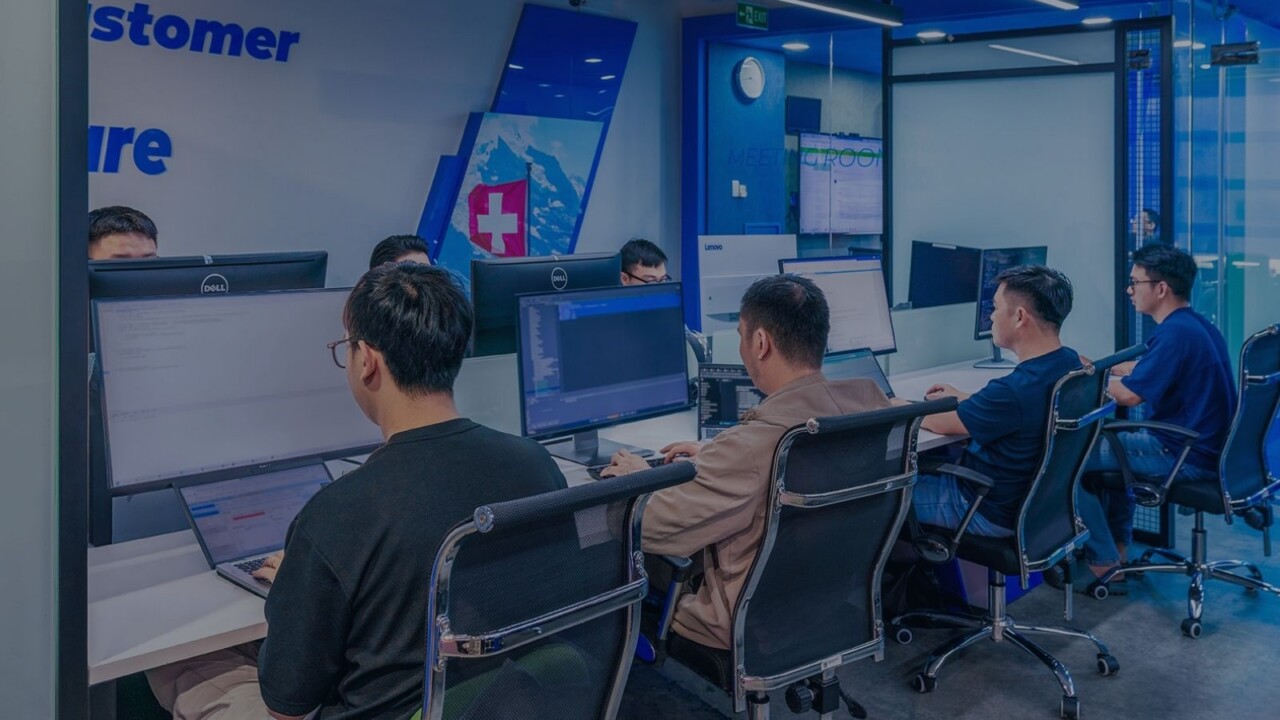
Behind every pipeline is a team that knows your data — and we know our team. Data engineers and analysts work side by side in our four Vietnam offices, on production data platforms for clients worldwide.

Data Engineering & Analytics at Axon Active — Where deep data work gets built
Data engineer developing data pipelines and processing workflows
Cloud migration services for enterprise DevOps and cloud infrastructure
Data engineering team reviewing data architecture
Data Engineering & Analytics at Axon Active — Where deep data work gets built
Data engineering team collaborating at the office
Security & compliance

Every engagement runs under our ISO/IEC 27001:2022-certified ISMS

NDA, DPA and SCC templates ready before you sign. 100% of intellectual property is assigned to you. ISO/IEC 27001 certified continuously since 2018 — current to the 2022 standard, certified by TÜV Rheinland since 2021 — 13 external onsite audits, 100% pass rate.

View details
Mr. Shahar Cohen
Director of Engineering, WSC Sports

For more than four years, Axon Active has been a trusted extension of our engineering organization. Their hiring process is efficient, communication is excellent, and their engineers consistently integrate quickly and deliver value. Their commitment to both client success and developer growth makes them a partner I highly recommend.

FAQs

Frequently asked questions

What is the difference between data engineering services and data analytics solutions?

Two halves of the same capability — engineering builds and operates the pipelines, warehouses, and governance underneath; analytics answers the business questions on top. We deliver both with one team, so the numbers you act on are always traceable to governed data.

How do your data migration services avoid breaking reporting during cutover?

Every migration runs parallel-run validation: the new platform produces the same numbers as the old one, side by side, before anyone switches. Cutover is sequenced around your reporting and audit calendar, with rollback ready — so finance closes its books on schedule, whether the migration finishes early or late.

How do you handle data residency and cross-border data flows?

Data residency is often the binding constraint, not just compliance paperwork. For EU clients, data stays in EU regions (typically AWS Frankfurt, Azure West Europe, GCP Belgium) with EU-only processing. For Swiss clients with FADP requirements, we support Swiss cloud regions or on-premise deployment depending on data classification. Cross-border transfers — when needed for our Vietnam delivery teams — go through pseudonymized or anonymized test data only; production data never leaves your region. We map data flows during discovery, classify each dataset (public, internal, confidential, restricted), and design pipelines accordingly. The auditable trail matters as much as the technical setup — your compliance team should be able to show inspectors exactly what data moved where.

Build vs buy — how do you advise on warehouse, orchestration, and BI tooling?

The default in data tooling is over-buy: vendors price aggressively, and stacking 6–8 SaaS tools is easy. Our default advice is the opposite — buy where the market is mature and standardized, build where your business logic lives. For warehousing, Snowflake, BigQuery, or Databricks usually win against self-hosting unless data sovereignty forces on-prem. For orchestration, Airflow, dbt, or Prefect are mature enough — don’t build a custom DAG runner. For BI, Looker, Metabase, or Power BI handle 90% of needs. The decision matters most for data transformation logic and reverse-ETL patterns — those embed competitive advantage and shouldn’t be vendor-dependent. We help you map the boundary, not push a vendor.

Real-time streaming vs batch — when does each pay off?

Most teams over-engineer for real-time. Batch is cheaper, easier to debug, and sufficient for ~80% of business cases — daily or hourly refresh handles most reporting, ML training, and operational dashboards. Real-time streaming pays off in specific scenarios: fraud detection (sub-second response), operational alerting (minutes matter), user-facing personalization (recommendations updated mid-session), and event-driven business logic (inventory, pricing, notifications). The cost is real — streaming infrastructure like Kafka, Flink, or Kinesis costs more to run, more to staff, and more to debug than batch pipelines. Our default question to clients: what’s the business cost of data being 1 hour old? If the answer is “nothing material,” batch wins.

How do you compare to data analytics consulting firms?

Most data analytics consulting firms advise but don’t build — and when a data engineering consulting company subcontracts delivery, accountability changes hands mid-engagement. We do both in-house: the consultants who recommend the architecture are the engineers who build and operate it.

Do you offer data engineering as a service, or only project builds?

Both. We offer data engineering as a service — a retained team that operates your platform month over month — plus fixed-scope builds and data engineering & analytics consulting for one-off architecture decisions.

How does an engagement with Axon Active start?

It starts with an initial call. We listen to what you’re building, your needs, and your expectations. We walk you through what we offer and propose a team shape, timeline, and pricing model. No deck, no sales script. If we’re not the right fit, we’ll tell you. If we are, we move to contract discussion and kick off hiring and onboarding.